Think your web app is safe just because you have an expensive Web Application Firewall (WAF) and SSL encryption active? Think again, friend.
In the modern threat landscape, APIs are the connective tissue holding our digital world together. They handle our payment gateways, user authentications, and data syncs. But because they expose underlying application logic and sensitive data structures by design, they have become the number one target for sophisticated cyberattacks.
If you aren’t actively hardening your endpoints, you are essentially leaving your backend server’s back door wide open.
The Threat Matrix: Tracking the OWASP API Flaws
To effectively defend your application, you need to understand exactly how an attacker thinks. Traditional vulnerabilities like SQL injection are still around, but modern API exploitation usually targets logical flaws.
| Vulnerability Type | Real-World Impact | The Fix |
|---|---|---|
| BOLA (Broken Object Level Authorization) | An attacker alters a user ID in an API request (/api/v1/user/1001 to /10010) to view someone else’s private data. | Implement strict object-level access control checks based on the user’s active session token. |
| BFF (Broken Function Level Authorization) | A regular user guesses an administrative endpoint URL (/api/v1/admin/export-all) and executes it successfully. | Enforce rigid role-based access control (RBAC) at the code level for every functional endpoint. |
| Mass Assignment | A malicious user adds hidden properties (like “is_admin”: true) to a registration profile JSON payload to escalate privileges. | Use explicit Data Transfer Objects (DTOs) and allowlist only acceptable input properties. |
4 Steps to Lock Down Your API Architecture
Securing your endpoints doesn’t require rewriting your entire codebase overnight. It comes down to implementing a layered, defensive architecture.
1
Deploy a Centralized API Gateway
Step 1
Never expose backend microservices directly to the public web. Route all incoming traffic through a dedicated API Gateway to serve as a uniform entry point for rate limiting, SSL termination, and global threat detection.
2
Enforce Strict OAuth2 & OIDC Authentication
Step 2
Ditch legacy basic authentication and stateful sessions. Shift entirely to stateless JSON Web Tokens (JWT) handled via secure OAuth2 or OpenID Connect flows, ensuring tokens are short-lived and cryptographically signed.
3
Implement Aggressive Rate Limiting
Step 3
Prevent automated scraping tools, credential stuffing, and Distributed Denial of Service (DDoS) attempts by setting strict request thresholds per IP address or user token using a sliding-window token bucket algorithm.
4
Sanitize Inputs & Validate Schema Compliance
Step 4
Treat every byte of incoming payload data as highly hostile. Validate incoming JSON bodies strictly against predefined schemas before parsing them to neutralize malicious code injections or parameter tampering early.
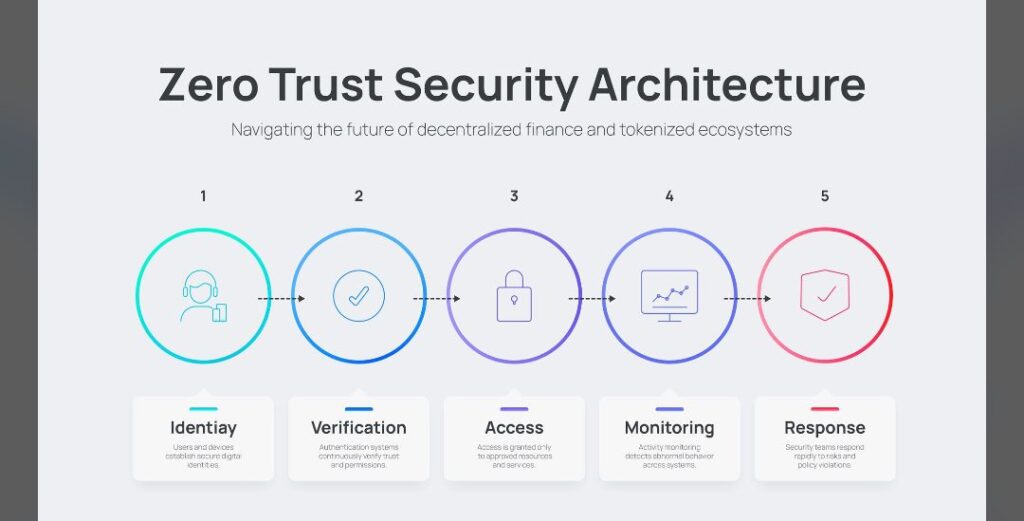
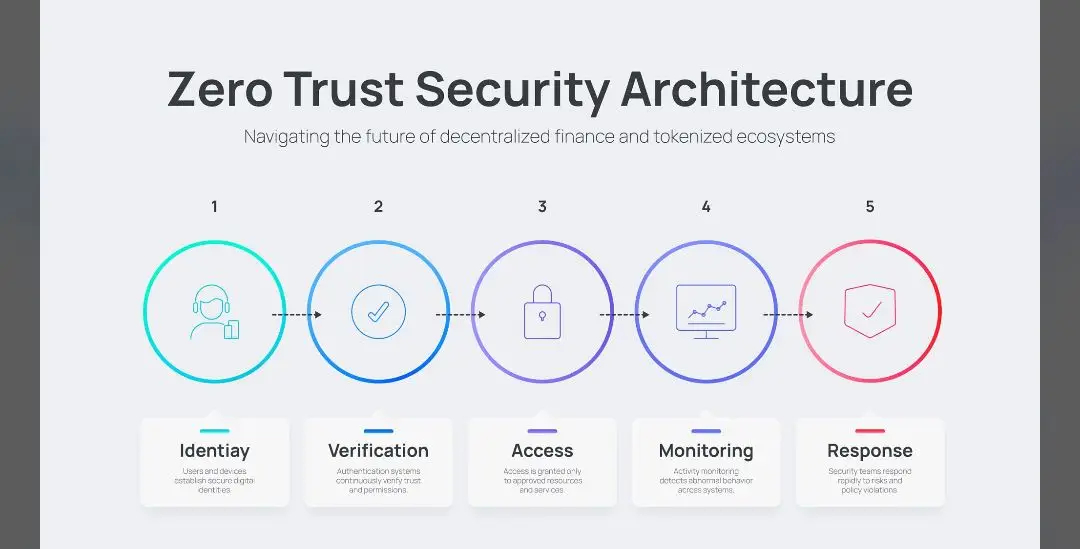
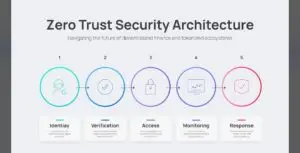
Zero Trust: The Absolute GoalAt the end of the day, securing an API requires adopting a Zero Trust mindset: never trust, always verify. Assume that internal requests can be spoofed, front-end validation can be bypassed effortlessly, and attackers are already active inside your network layers.Keep your dependencies patched, log your API transactions carefully without leaking Personally Identifiable Information (PII), and continuously audit your attack surface. Stay safe out there!